Never simply explicate the explicit and self-evident when you can imbricate the implicit and under-explored.
New Books
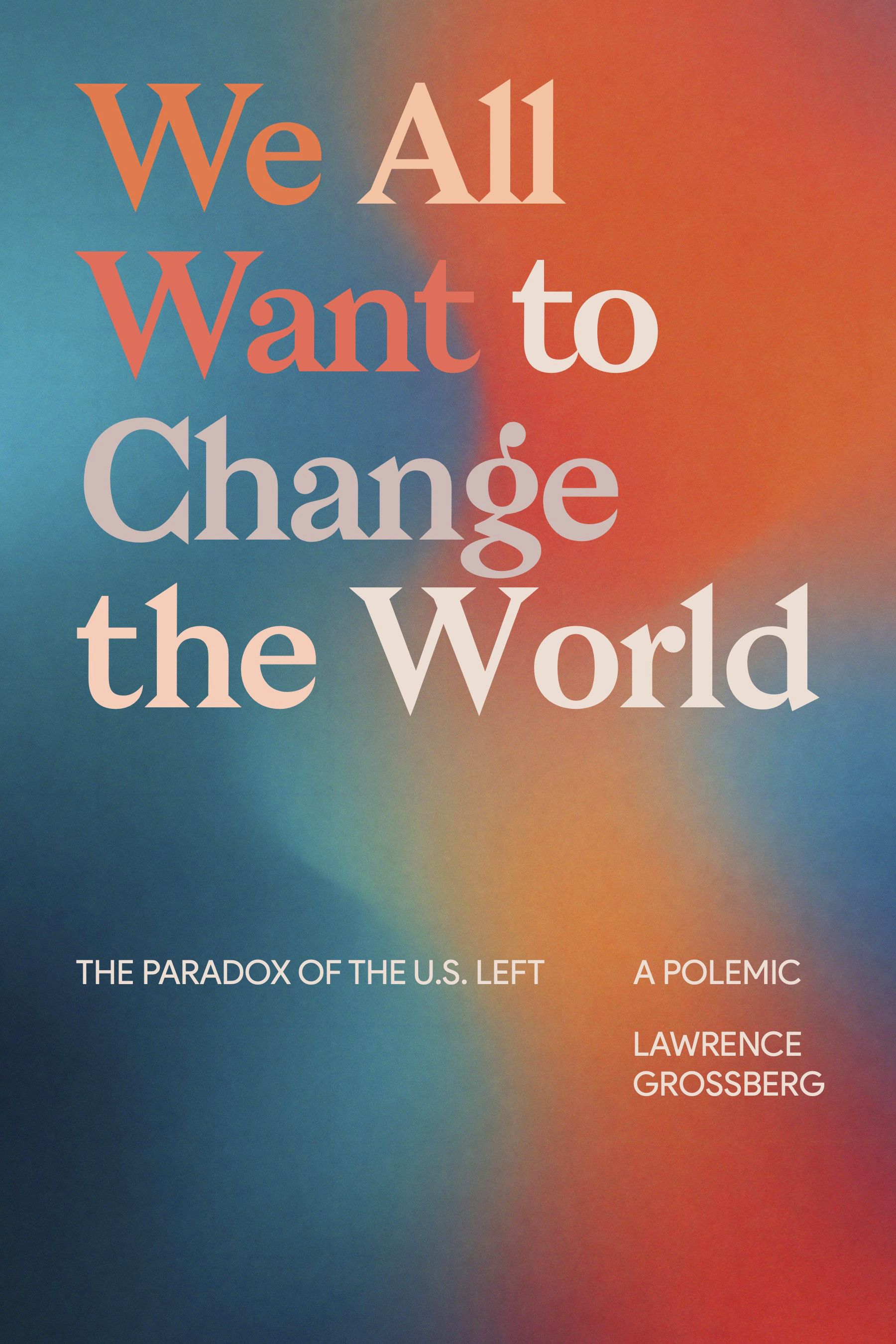
We All Want to Change the World: The Paradox of the U.S. Left, a Polemic
By Lawrence Grossberg
In We All Want to Change the World, Lawrence Grossberg continues his analysis of the changing popular and political cultures—and the increasingly conservative and intensely capitalist vectors of change—of the United States during the last fifty years. This time, however, he turns his attention from the forces that seem to be defining the success of those vectors to the counterforces of dissatisfaction, resistance, opposition and creative alternatives, as a vital part of understanding what’s going on.
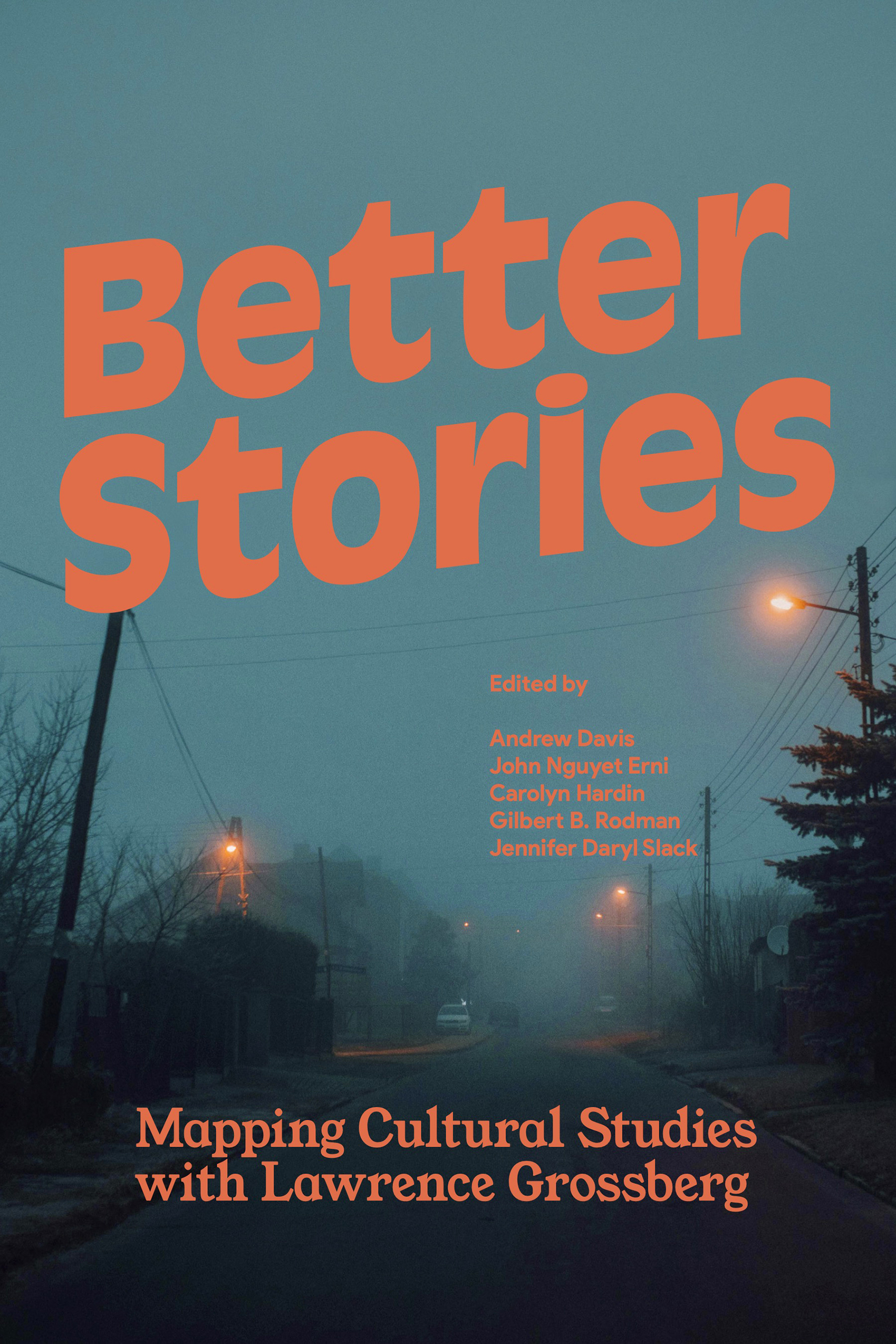
Better Stories: Mapping Cultural Studies with Lawrence Grossberg
Edited by Andrew Davis, John Nguyet Erni, Carolyn Hardin, Gilbert B. Rodman, and Jennifer Daryl Slack
Better Stories assembles essays and provocations in honor of Lawrence Grossberg’s radically contextual and affectively attuned lifework. In over fifty chapters, contributors trace mattering maps of influence, friendship, and intellectual struggle charged with the hope that thinking together—with feeling—can change the world. These essays not only comment on Grossberg’s ideas and many published works but also engage, expand, confront, and reshape them. Here, cultural studies is not a settled field but an unruly and ongoing conversation: an affective and political project sustained through convivial agonism, where asking “so what?” sparks new thinking and even better stories.
Recent Books
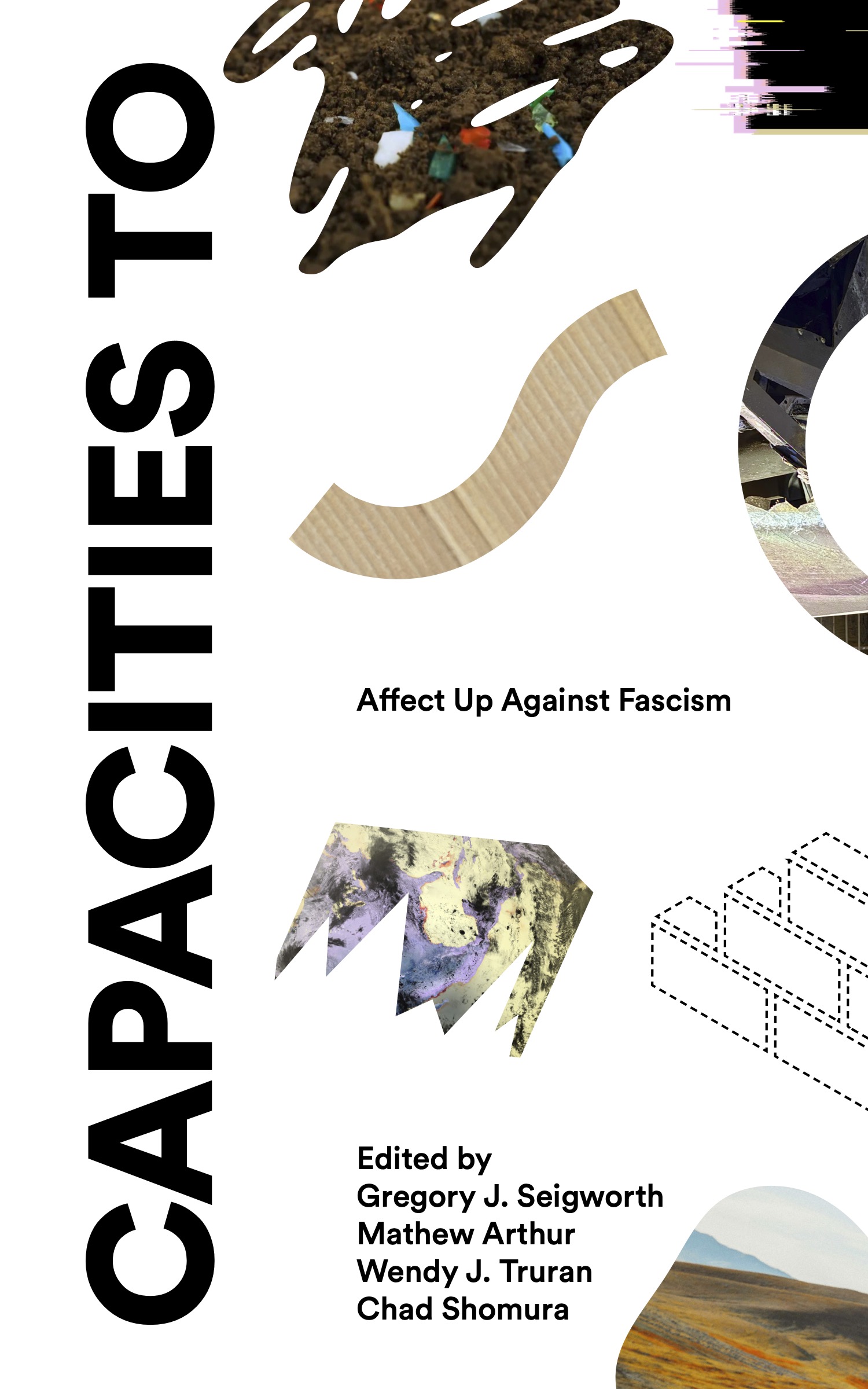
Capacities To: Affect Up Against Fascism
Edited by Gregory J. Seigworth, Mathew Arthur, Wendy J. Truran, Chad Shomura
Capacities To: Affect Up Against Fascism is a collection of more than forty essays, poems, and visual works that convey myriad approaches for understanding, surviving, and creating counter-movements in our increasingly fascist and authoritarian age. From numerous angles and different international locales, the contributors offer insights grounded in their distinctive feeling-encounters across a multitude of everyday contexts, along with critical perspectives informed by affect as a way of registering the energies or intensities of living and their gathering potentials for making a world otherwise than it is now. Fascism is an affective phenomena that works as a large scale ideological form and, also, by insinuating itself into the micro-movements and moments of daily life. Affect studies operates upon this same terrain but, rather than the abject fear of contamination, otherness, and difference that animates fascist imaginings and rouse its violence toward particular elements of the body-politic, affect [up against fascism] can be moved in other ways: open and inclusive and joyful in its embrace of difference as abundance, as messiness, as enlarged capacities for living together.
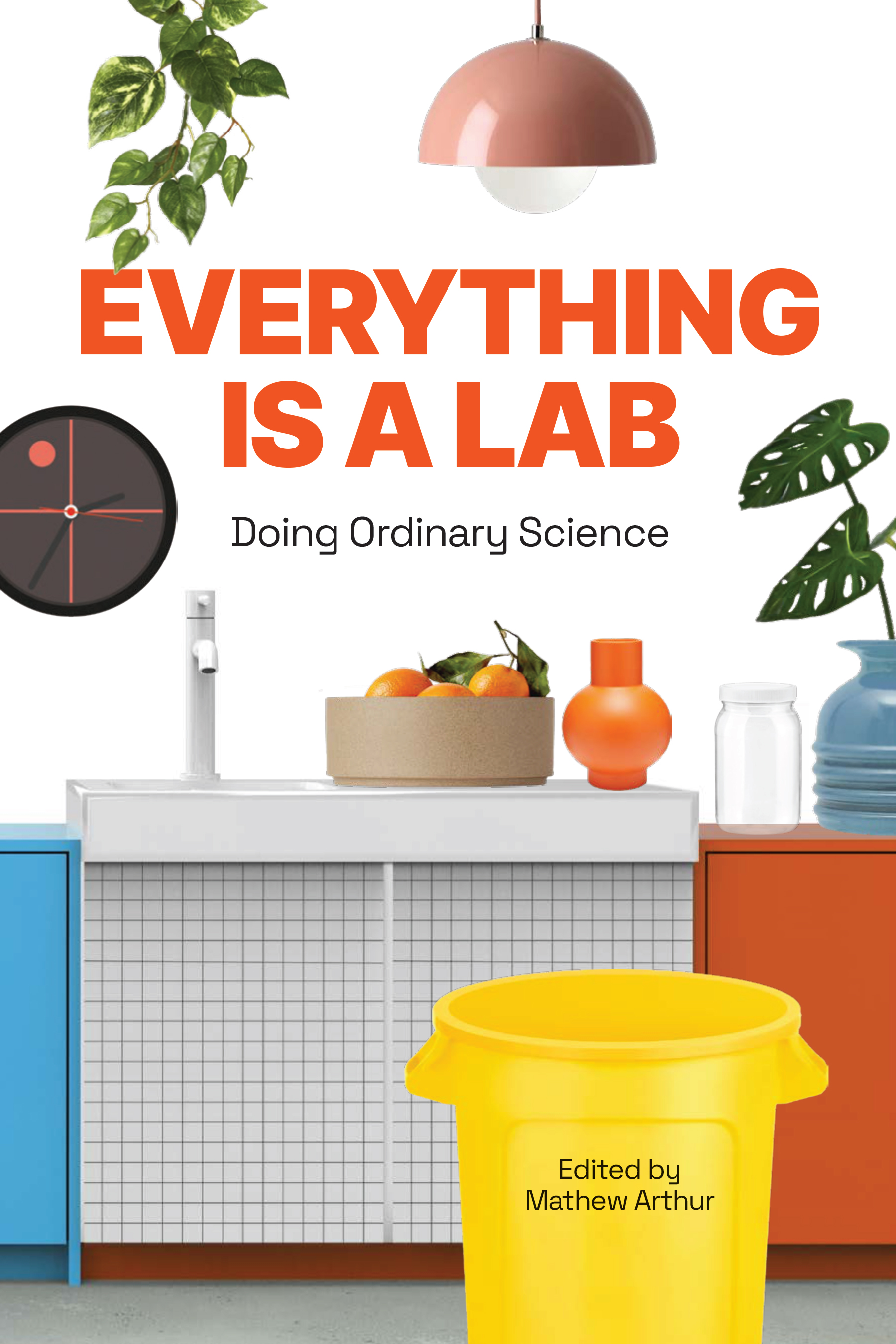
Everything is a Lab: Doing Ordinary Science
Edited by Mathew Arthur
This volume is a scrapbook and an experiment. It collects the artifacts, written and otherwise, of a year’s worth of public workshops that put science and technology studies and affect studies together. Through zinemaking, collaging, foraging, fermenting, perfuming, and walking together, we do ordinary science from the kitchen table and work to materialize alternative futures. Putting STS and affect together bolsters literacies for how the world is being made and how we might make it differently.
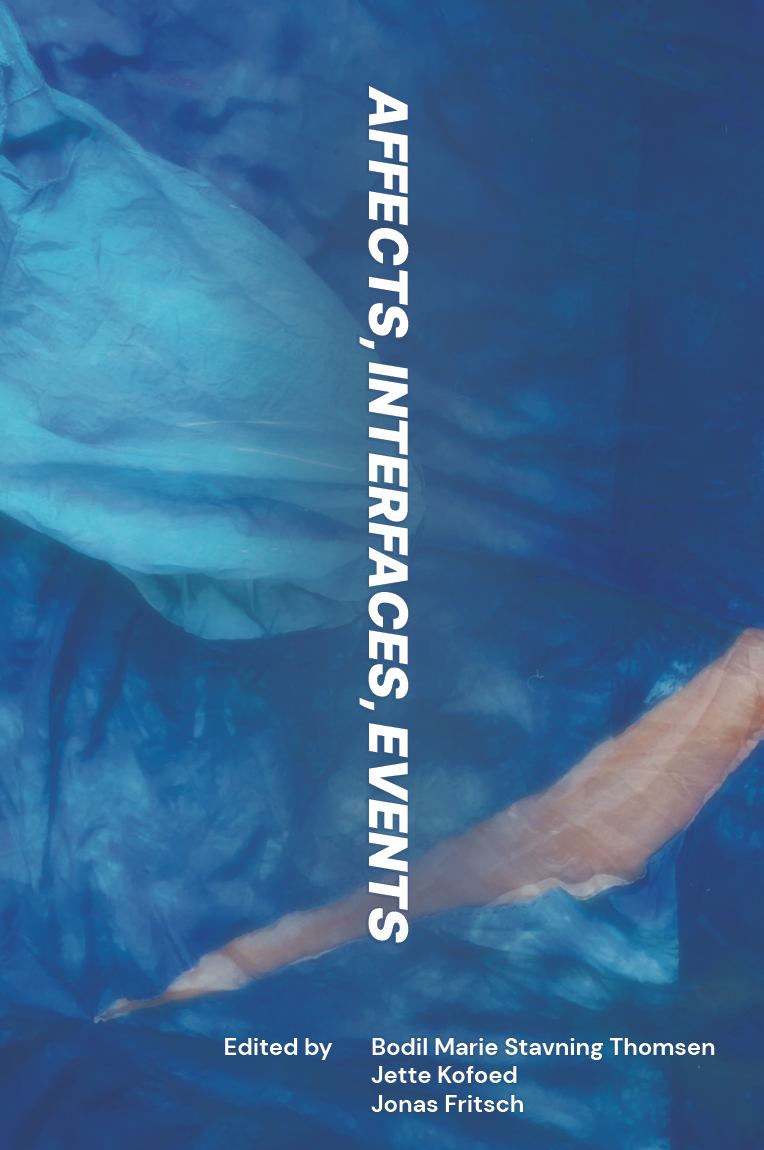
Affects, Interfaces, Events
Edited by Bodil Marie Stavning Thomsen, Jette Kofoed, and Jonas Fritsch
This book engages with how affective encounters are shaped and conditioned by interfacial events. Together, the chapters explore the implications of this on a micro-perceptual and macro-relational level through an experimental middling of approaches and examples. While broadly departing from a Spinozist and Deleuzian theoretical foundation, the book weaves together a compelling number of conceptual and empirical trajectories. Always attuned to the implications, modulations and tonalities arising in the readings through art, journalism, bodies, an/archives, data and design, Affects, Interfaces, Events allows for a truly transdisciplinary resonance driven by theory, technology and practice.
Open Affect
As an open access publisher, like its accomplice Capacious: Journal for Emerging Affect Inquiry, Imbricate! press will always foster and promote rambunctious bloom-spaces for those who study affect over the dulling hum of any specific orthodoxy. All Imbricate! releases are available freely online and for purchase in print.
The principal aim of Imbricate! is to create a place in and around affect studies for the generative ‘overlap’ of voices, practices, methods, matters, modes and more. Imbricate! publishes work that gauges how critical/creative practices can bring together discourses, worlds, sensations, sensibilities, and atmospheres that raise questions and perhaps unsettle what counts as ‘fit’ (and ‘unfit’) within and across shifting disciplinary contours.
Submissions
Imbricate! Press seeks to be a place of publication that lifts up and nestles in amongst those folks (and ideas) that pursue imaginative and expansive configurations of pre-existing patterns of academic exploration. We are interested in books tackling subject areas and presentational formats that are stylistically adventurous and often find conventional publishing models too limiting.
Editorial Team
Gregory J. Seigworth
Millersville University
Managing Co-Editor-in-Chief
editor@imbricate.press
Mathew Arthur
Simon Fraser University
Co-Editor-in-Chief
editor@imbricate.press
Wendy J. Truran
Georgia Institute of Technology
Co-Editor-in-Chief
editor@imbricate.press
Advisory Board
Casey BoyleUniversity of Texas, Austin Vivienne Bozalek
University of the Western Cape Gary Hall
Coventry University Ali Lara
University of East London Michael Lechuga
University of New Mexico Hil Malatino
Pennsylvania State University Susanna Paasonen
University of Turku Carolyn Pedwell
University of Kent Michael Richardson
University of New South Wales Nathan Snaza
University of Richmond Ben Spatz
University of Huddersfield Illan Wall
University of Warwick Libe Garcia Zarranz
Norwegian University of Science & Technology